Termites do not behave the same way everywhere, and that simple fact shapes the quality of every treatment plan. A company that knows your region well can often spot risks faster, diagnose activity more accurately, and choose control methods that fit both the structure and the climate. That local knowledge does more than sharpen inspections. It affects timing, product selection, prevention advice, and the long-term success of the work.
Homeowners usually notice termite trouble late. A bit of bubbling paint, a stuck window, a faint line of mud along a foundation wall. By the time those signs appear, the colony has often been active for months, sometimes longer. In my experience, the difference between a generic inspection and one led by someone who understands the local building stock and local pest pressure is significant. One tends to produce a broad recommendation. The other tends to produce a strategy.
Termites are local by nature
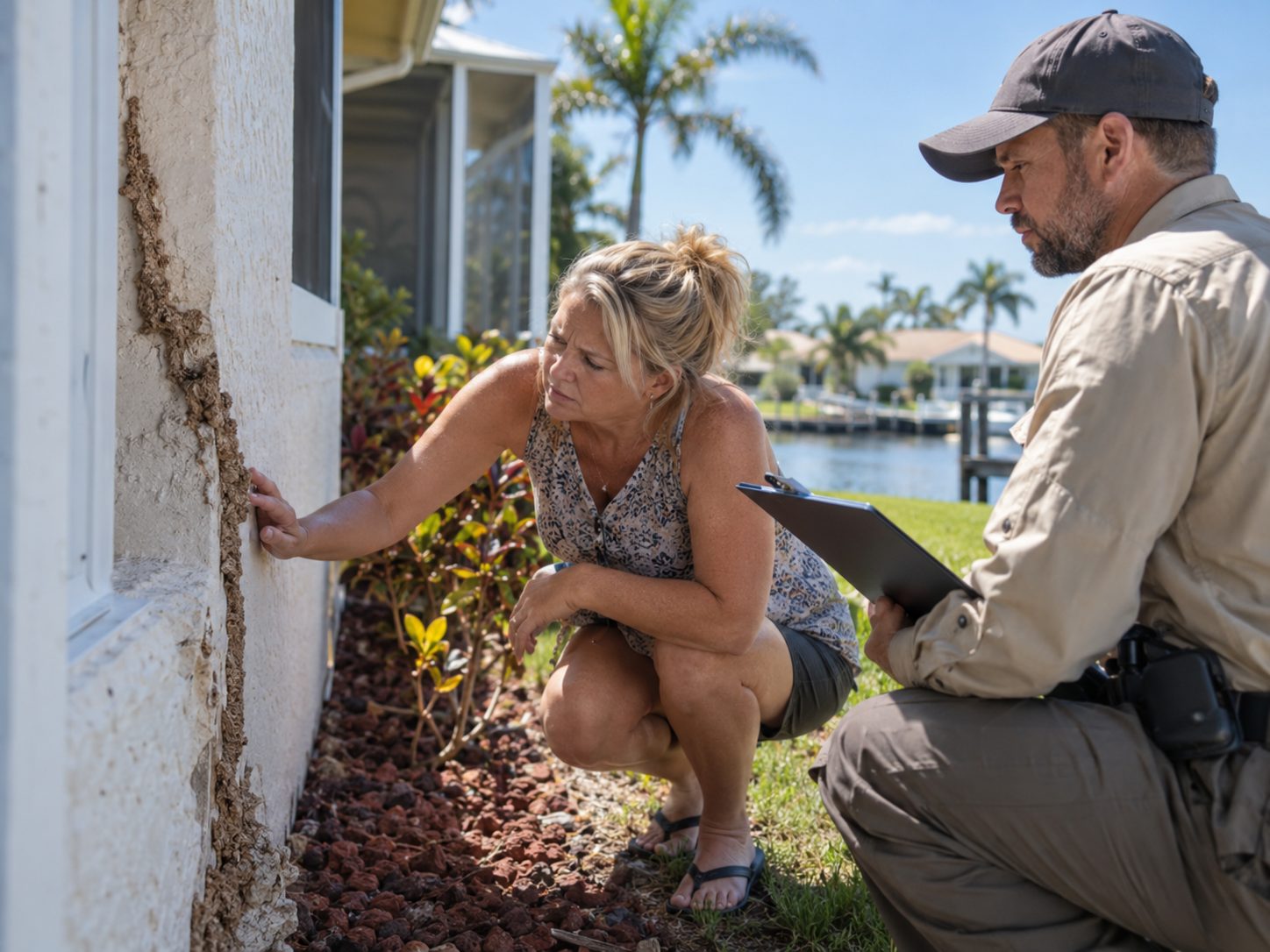
People often talk about termites as if they are one uniform threat, but regional differences matter. In some areas, subterranean termites dominate and approach structures through soil contact, foundation cracks, expansion joints, utility penetrations, or hidden shelter tubes. In other areas, drywood termites play a larger role and behave differently, infesting exposed wood and sometimes spreading through furniture or attic framing. Even within subterranean species, patterns vary based on soil moisture, seasonal rainfall, and local landscaping habits.
A pest professional who works in one region for years develops a kind of pattern recognition that is hard to teach from a manual. They know which neighborhoods tend to have high moisture problems after heavy summer storms. They know where older crawlspace homes frequently show hidden damage at sill plates. They know that a subdivision built over disturbed fill may have different drainage conditions than nearby streets with mature lots and well-established root systems. Those details shape the risk profile of a house long before anyone drills, trenches, or places a bait station.
That matters because effective Termite Control Services begin with correct identification. Treating drywood activity like a subterranean infestation wastes time and money. Treating a moisture-driven structural issue as if it were only a pesticide problem usually leads to recurring trouble. Local expertise helps separate these scenarios before unnecessary work begins.
The inspection gets better when the inspector knows the area
A thorough termite inspection is never just a walk around the outside wall. The strongest inspectors read the house like a system. They look at grading, gutters, slab details, landscaping, drainage patterns, wood-to-soil contact, ventilation, and previous repair work. Local knowledge adds context to every one of those observations.
Take slab homes in humid regions. An out-of-area inspector might note that the exterior appears tidy and the foundation line is mostly visible. A local expert may look at the same property and immediately focus on bath trap penetrations, garage expansion joints, foam insulation lines, and decorative beds that trap moisture near weep screeds. That is not guesswork. It comes from seeing where infestations actually start in that market.
The same applies to crawlspaces. In some regions, crawlspaces are notorious for elevated humidity, poor air movement, and hidden plumbing leaks that create ideal conditions for subterranean termites. A local technician knows which floor plans tend to have blind spots, where access is limited, and which framing details often hide damage. They may spend extra time near chimney bases, around piers with previous patching, or under additions that were enclosed years after the original build.
I once saw two inspections on similar homes only a few streets apart. The first report, from a national outfit using a fairly rigid checklist, marked both homes as moderate risk and recommended standard perimeter treatment. The second inspection, handled by a company that had worked that neighborhood for decades, flagged one home as substantially higher risk because several nearby properties had experienced activity after a drainage project altered water flow behind the lots. That second inspector also recognized that a retaining wall and irrigation overspray were keeping one side of the foundation persistently damp. The treatment plan was adjusted accordingly, and the homeowner addressed the water issue before serious damage developed.
Climate and seasonality change the way termites behave
Local expertise becomes even more valuable when you consider seasonality. Termite pressure is not static across the year. Swarming periods, moisture cycles, and soil temperature shifts all influence what inspectors see and when they see it. A technician with regional experience understands the local calendar of termite activity and can explain what is normal, what is urgent, and what requires follow-up monitoring.
In warm, wet climates, the periods after sustained rain often reveal activity that stayed hidden during drier weeks. In areas with pronounced seasonal transitions, swarmers may appear within a relatively predictable window, often alarming homeowners who assume the house is suddenly infested. A local professional can put that event in context. Sometimes swarmers inside mean an active interior colony. Sometimes swarmers outside near lights indicate a neighborhood-level event that still warrants inspection but not panic. Knowing the difference saves both money and stress.
Timing also affects treatment performance. Soil-applied termiticides depend on proper placement and continuity. Bait systems require strategic placement and monitoring intervals that match local feeding patterns. Moisture corrections, wood repairs, and exclusion details must account for how the structure responds across seasons. A company that has watched local termite cycles for years can schedule follow-up work with better judgment than one simply applying a national protocol.
Building styles are regional, and termites take advantage of those details
Every region has its own construction habits. Some areas are full of monolithic slabs and stucco exteriors. Others lean heavily on crawlspaces, basements, pier-and-beam foundations, or brick veneer. Older homes may have additions, converted porches, enclosed garages, or patched foundation penetrations that create hidden entry points. These details matter because termites exploit weaknesses in design, age, and maintenance.
Local termite professionals know the local housing stock almost by instinct. They understand where older homes tend to settle and crack. They know which trim details stay wet after irrigation runs. They know that certain decorative finishes can conceal shelter tubes, and that some newer construction methods, while efficient, still require careful treatment around Termite Control Services plumbing, foam board, and cold joints.
This is one reason generic pricing can be misleading. Two homes with the same square footage may require very different approaches depending on foundation type, accessibility, landscaping, and construction complexity. A local expert is more likely to explain why one property needs extensive trenching and targeted drilling while another may be a strong candidate for a baiting program combined with moisture correction. That level of explanation reflects field experience, not a script.
Local companies often know the pressure beyond your property line
Termites do not respect property boundaries. Infestation pressure often exists at the block or neighborhood level. A local company usually has useful, lawful, nonconfidential awareness of what is happening nearby. They may know that several homes in a subdivision have had activity along a drainage easement. They may recognize that homes bordering a wooded area or creek bank have recurring risk due to high soil moisture and abundant cellulose debris. They may even know that a particular phase of a development had grading problems that left many foundations vulnerable.
This neighborhood awareness improves both diagnosis and prevention. It allows an inspector to view your home as part of a wider environmental picture instead of an isolated box. If several homes nearby have recently shown swarm activity, the threshold for recommending monitoring may change. If the local soil type tends to crack deeply in dry spells and then retain moisture after storms, that pattern may influence treatment design. If local renovation trends commonly leave buried wood scraps near foundations, inspection attention may shift accordingly.
That kind of context rarely appears in broad marketing language, but it often makes the difference between a service visit that feels routine and one that actually protects the structure.
Product knowledge is only half the job
Homeowners sometimes assume the best termite company is simply the one with access to the strongest products. Products matter, of course, but termite control is not only a chemical decision. Placement, coverage, construction access, and follow-through often matter just as much. A local expert understands how products perform under Termite Control Services local conditions, including soil type, rainfall, drainage, and common obstacles found in area homes.
Heavy clay soils, sandy soils, dense roots, hardscape features, and shallow utility lines all affect treatment execution. In some places, intense rainfall can expose weaknesses in a rushed soil treatment. In other places, chronic dryness changes how the soil behaves around foundations and expansion joints. A technician with local experience knows how to maintain treatment continuity around patios, stoops, driveways, and attached garages without leaving vulnerable gaps.
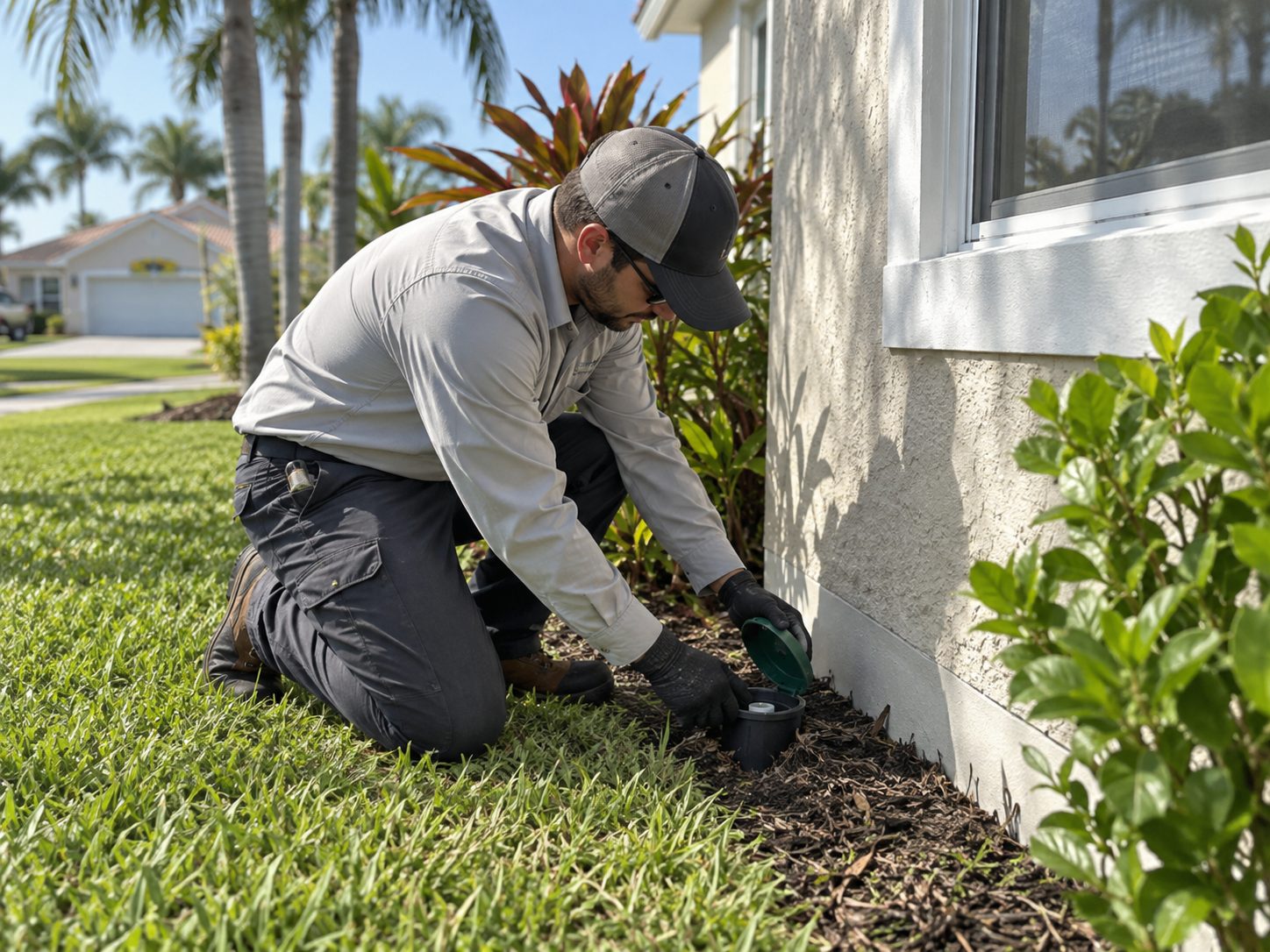
They also know when not to oversell. There are homes where a liquid barrier is the best fit because of active infestation, foundation design, or ease of establishing a complete treatment zone. There are others where bait stations make practical sense, especially when trenching is limited or the owner wants continuous monitoring. There are also cases where neither option succeeds without fixing moisture sources and wood contact issues. Good local providers say that plainly.
Prevention advice becomes more realistic and useful
One of the most underrated parts of Termite Control Services is the prevention guidance that follows the initial work. Homeowners are far more likely to act on advice that feels specific to their property and region. Telling someone to “reduce moisture” is vague. Telling them that the downspout on the north side empties against the footing, that the mulch depth is too high over the slab edge, and that the leaking hose bib is wetting the same wall where shelter tubes were found is useful.
Local professionals usually offer more concrete recommendations because they have seen the same conditions repeatedly. They know which landscaping choices create chronic problems in the area. They know whether firewood storage against the house is a common trigger or a lesser issue compared with irrigation overspray and clogged gutters. They know how local weather patterns affect crawlspace ventilation and when encapsulation or dehumidification may be worth discussing with another specialist.
Practical prevention often comes down to a few repeat offenders:
Persistent moisture near the foundation from poor drainage, leaks, or overwatering. Wood-to-soil contact at siding, lattice, steps, fence lines, or stored lumber. Concealed entry points behind thick vegetation, foam insulation, or exterior finishes. Debris left in crawlspaces or buried near the house after construction or remodeling. Delayed response to small warning signs like mud tubes, blistered trim, or swarmers.A local company can usually prioritize these issues based on what actually drives infestations in your area, rather than handing over a generic maintenance sheet.
Faster recognition of subtle signs can limit damage
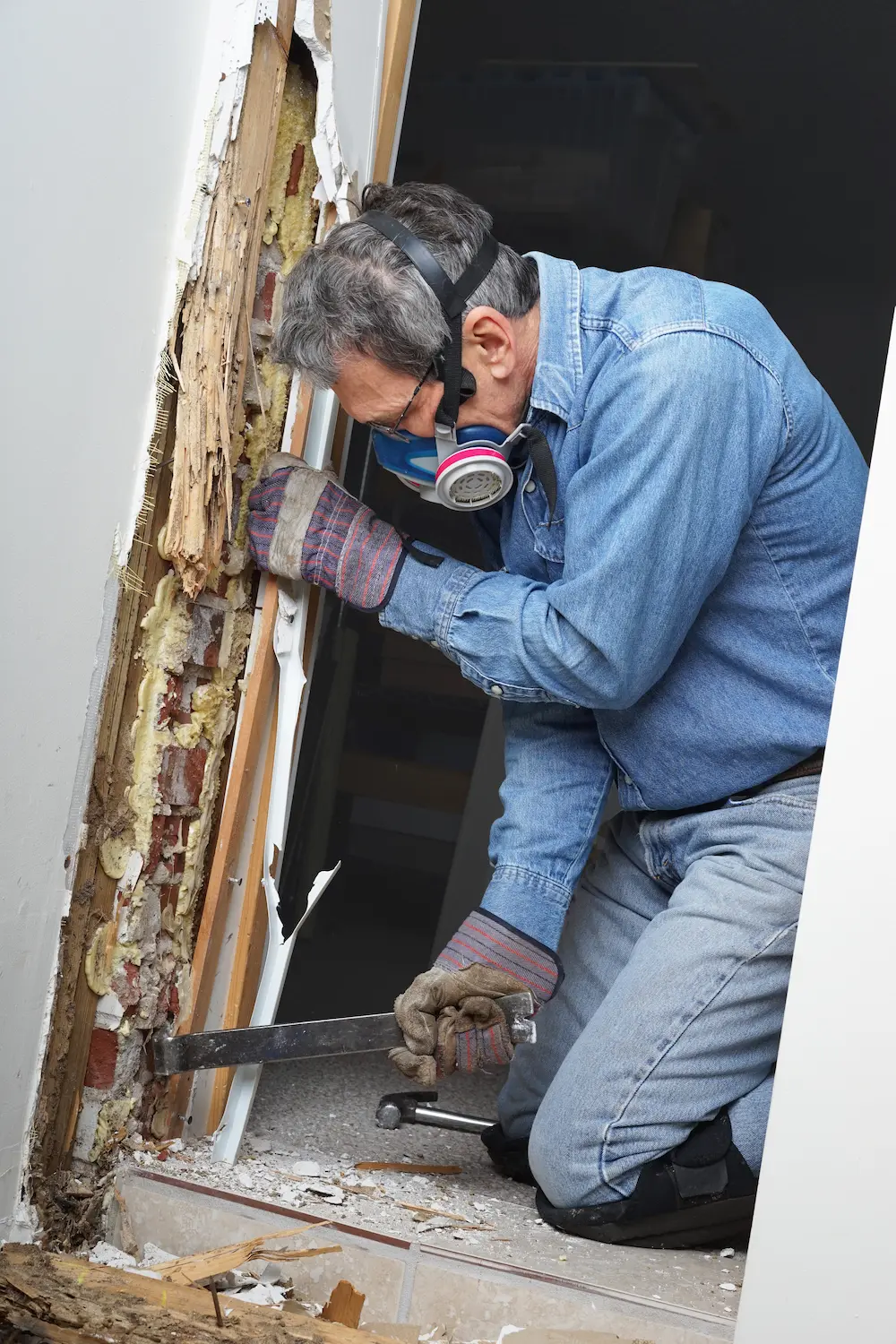
Termite damage is expensive largely because it remains hidden. The average homeowner is not expected to distinguish between old water staining, harmless surface cracking, ant frass, and active termite evidence. A skilled local inspector sees patterns that are easy to miss. That includes the texture of a mud tube, the location of frass, the feel of damaged trim, the staining around a sill, or the sound of a hollow baseboard when tapped.
Speed matters. The earlier activity is recognized, the smaller the repair bill tends to be. Structural repairs can range from minor trim replacement to major framing work, and the cost escalates quickly when damage reaches load-bearing areas or spreads into inaccessible spaces. Local specialists who are familiar with area homes often catch activity at the stage where intervention is simpler and repair is more contained.
I have seen properties where the only visible clue from the living space was a hairline paint blister under a front window. To a casual eye it looked cosmetic. To a local termite technician who had inspected dozens of similar elevations, it suggested moisture retention behind trim over a slab edge, which turned out to be the exact point of termite entry. That is the value of pattern recognition built over time.
Local relationships improve the service after the initial treatment
Termite protection is not a one-visit matter. Even when active colonies are eliminated, monitoring, warranty service, and annual inspections remain important. A company with strong local roots often has an advantage here. They can return quickly, they know the area routes and housing types, and they are more likely to have records from prior visits that help them compare conditions over time.
This matters when a homeowner calls with a concern months later. A local office can often say, “We treated the east wall near the bath trap and garage joint, so let’s start there,” rather than rebuilding the case from scratch. They may remember that the property backs up to a common drainage swale, that the crawlspace had elevated humidity last summer, or that the prior owner replaced a section of sill plate after old damage was discovered. Continuity improves service quality.
There is also a practical trust factor. In many communities, established termite companies live on reputation. Builders, real estate agents, property managers, and homeowners tend to remember who communicates clearly and who disappears after the contract is signed. While every company should be judged individually, local accountability often leads to better long-term care.
Not every local company is automatically better
Local expertise helps, but it is not a free pass. Some local operators rely too heavily on habit and do not keep up with newer treatment standards, product labels, or reporting practices. Others may be excellent at field work but weak on documentation. The goal is not simply to choose the nearest provider. It is to choose a provider whose local knowledge is backed by thorough inspections, clear recommendations, and consistent follow-through.
Homeowners should pay attention to how the inspection is performed and how the findings are explained. A strong provider can describe where risk exists, what evidence was found, why a certain treatment method is recommended, and what conditions around the home should be corrected. They should be comfortable discussing limitations as well. No honest termite professional promises magic. Some areas are difficult to access. Some evidence is inconclusive without opening walls. Some properties need both treatment and repairs to achieve durable protection.
That kind of candor is a good sign. It suggests judgment rather than sales pressure.
What to listen for when local knowledge is real
Genuine local expertise usually shows up in the details of the conversation. Instead of speaking in broad slogans, the technician talks about your soil conditions, your foundation type, your drainage pattern, your neighborhood pressure, and the places where homes like yours typically show first signs of activity. They can explain why timing matters in your climate. They can tell you what they want to monitor over the next season and why.
You will also notice that their recommendations tend to fit the property rather than forcing the property to fit a package. They may recommend a liquid treatment on one elevation, monitoring in another area, and moisture correction as a priority before any further work. They may advise against unnecessary add-ons. That practical tailoring is often where Termite Control Services earn their value.
The best local specialists also understand the homeowner’s side of the decision. They know people are balancing urgency, cost, disruption, and long-term protection. So they explain trade-offs. A full soil treatment may involve more immediate labor but offer strong direct protection when active infestation is confirmed. A baiting system may be less invasive but requires ongoing monitoring discipline. Repairing conducive conditions may not be glamorous, yet it can dramatically improve the durability of any treatment plan.
The real advantage is judgment
When people talk about expertise, they often imagine technical information, and that is part of it. But in termite work, the bigger advantage is judgment. Judgment is knowing where to look first, when to probe further, when to recommend treatment, when to recommend monitoring, and when to bring another issue like moisture management to the front of the conversation. Local experience sharpens that judgment because it is built on repeated exposure to the same pests, weather patterns, construction methods, and neighborhood conditions.
That is why local expertise improves termite results in such a practical way. It reduces guesswork. It shortens the time between subtle signs and meaningful action. It helps match treatment methods to real site conditions. It turns a standard service call into a property-specific risk assessment with a workable plan behind it.
For homeowners, that difference is worth paying attention to. Termites are patient. A good local professional is observant, methodical, and realistic. When those qualities shape the inspection and the treatment plan, the service tends to hold up better over time, and the house is safer for it.
Maximum Pest Control
836 NE 7th Terrace Suite #5
Cape Coral, FL 33909
+1 239-772-7363
FAQ About Termite Control Services
What are two signs of a termite infestation?
Mud tubes along a foundation and piles of shed wings near doors or windows are two signs to investigate. Mud tubes are associated with subterranean termites. A licensed inspector can identify the insect and assess whether there is active infestation.
How many years does a termite treatment last?
There is no single timeline for all treatments. The method, site conditions, and maintenance affect how long protection lasts. Bait systems rely on monitoring and service. Ask the provider for the recommended inspection schedule and the terms of any coverage.
Is Termite Treatment Expensive in Cape Coral?
Cost depends on the termite species, the size and construction of the property, the extent of activity, and the treatment method. Request a written estimate after inspection and ask whether monitoring, follow-up visits, and renewals are included.